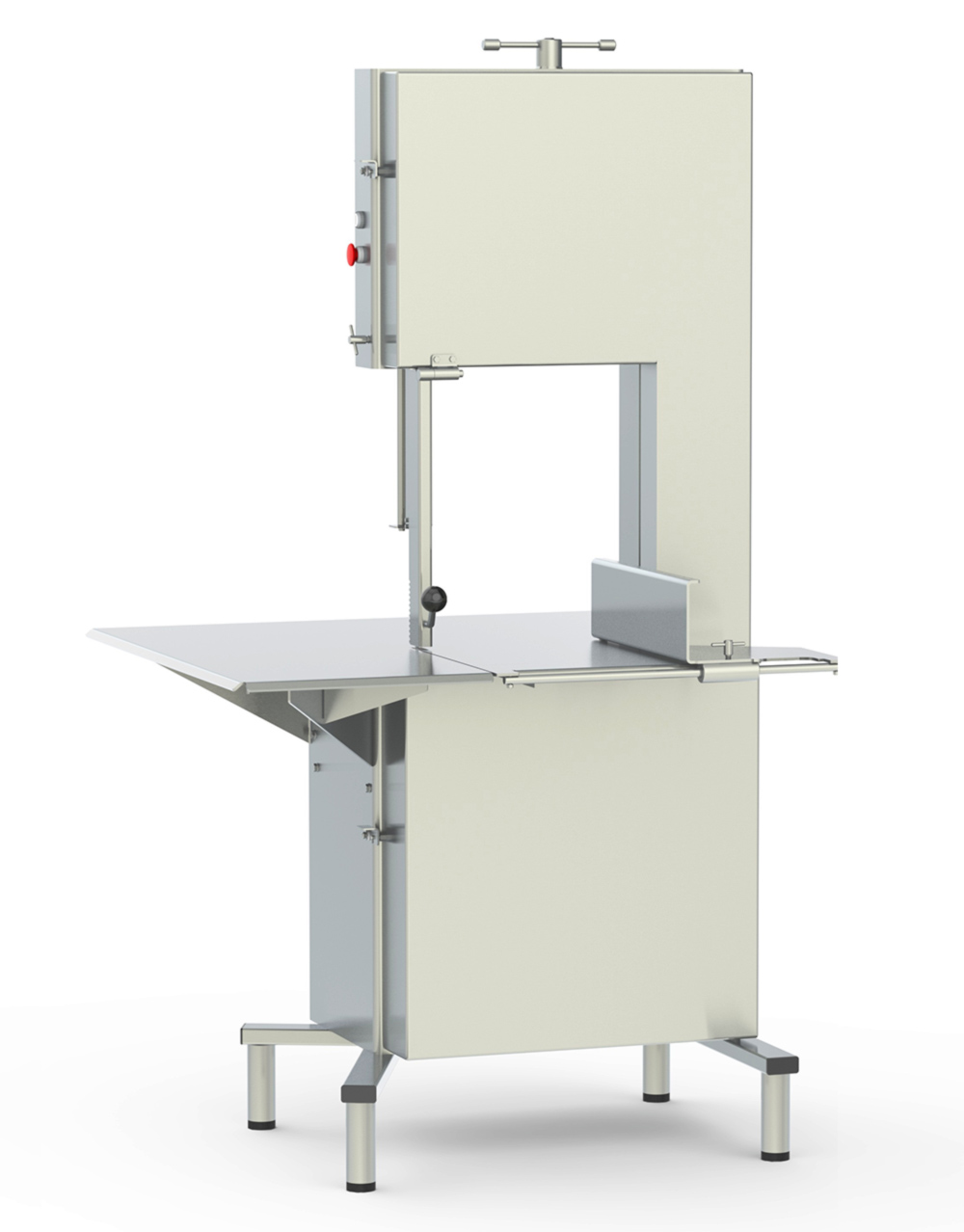

In the daily work of a butcher’s shop or meat cutting facility, certain habits may seem harmless until uneven cuts, increased operator effort or unexpected downtime occur. Recognising these mistakes helps you make better use of your bone saw and prevent a minor issue from affecting the entire production process.
Forcing the product through to cut faster
Pushing too hard is often a response to time pressure or reduced cutting performance. However, applying more pressure will not fix poor cutting performance: it can deflect the blade and make the piece harder to control. The feed should be steady and suited to the resistance of the product, using the support and safety devices provided. Our article on usage tips for industrial meat bandsaws provides further guidance.
Continuing to work with a damaged or worn blade
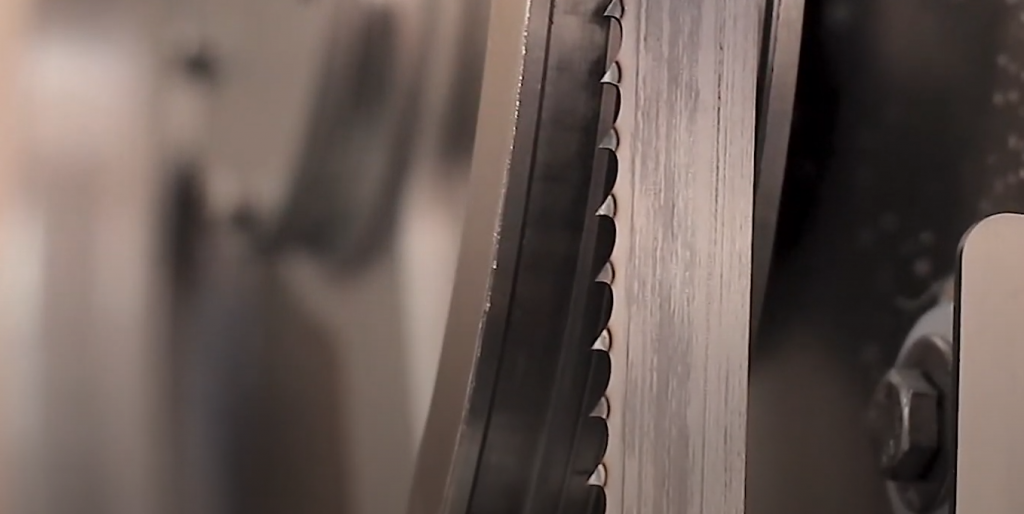
Waiting for the blade to break before replacing it is another common mistake. Damaged teeth, a loss of sharpness or irregular blade tracking can impair the finish long before this happens. If each cut requires more effort or leaves a less uniform surface, stop working and inspect the equipment. The blade must also be compatible with the machine and suitable for the product. Our blog demonstrates how to change the blade on the MEDOC ST-230 bandsaw.
Neglecting adjustment and assembly
A new blade will not guarantee good results if it is incorrectly installed. Insufficient tension can cause the blade to wander, while excessive tension places unnecessary stress on the assembly. The guides, stops and correct seating of the components must also be checked. These checks should follow the manufacturer’s instructions, with the machine stopped and disconnected from the power supply where required. If unusual vibration or noise occurs, it is best to investigate the cause before continuing.
Cleaning only the visible surface
Removing debris from the table does not mean the entire saw has been cleaned. Fat, meat residues and bone dust can also accumulate on pulleys, guides, cleaners and waste collectors. Incomplete cleaning compromises hygiene and equipment performance. Removing the components designed for this purpose, in accordance with the manual, makes thorough cleaning easier and allows wear or damage that would otherwise go unnoticed to be detected.
Avoiding these mistakes also starts with choosing equipment suited to the intended work. MEDOC table-top bandsaws and MEDOC floor-standing bandsaws meet different requirements in terms of piece size and production volume. Correct operation, combined with cleaning and maintenance, helps preserve cutting precision and keep production running smoothly.